


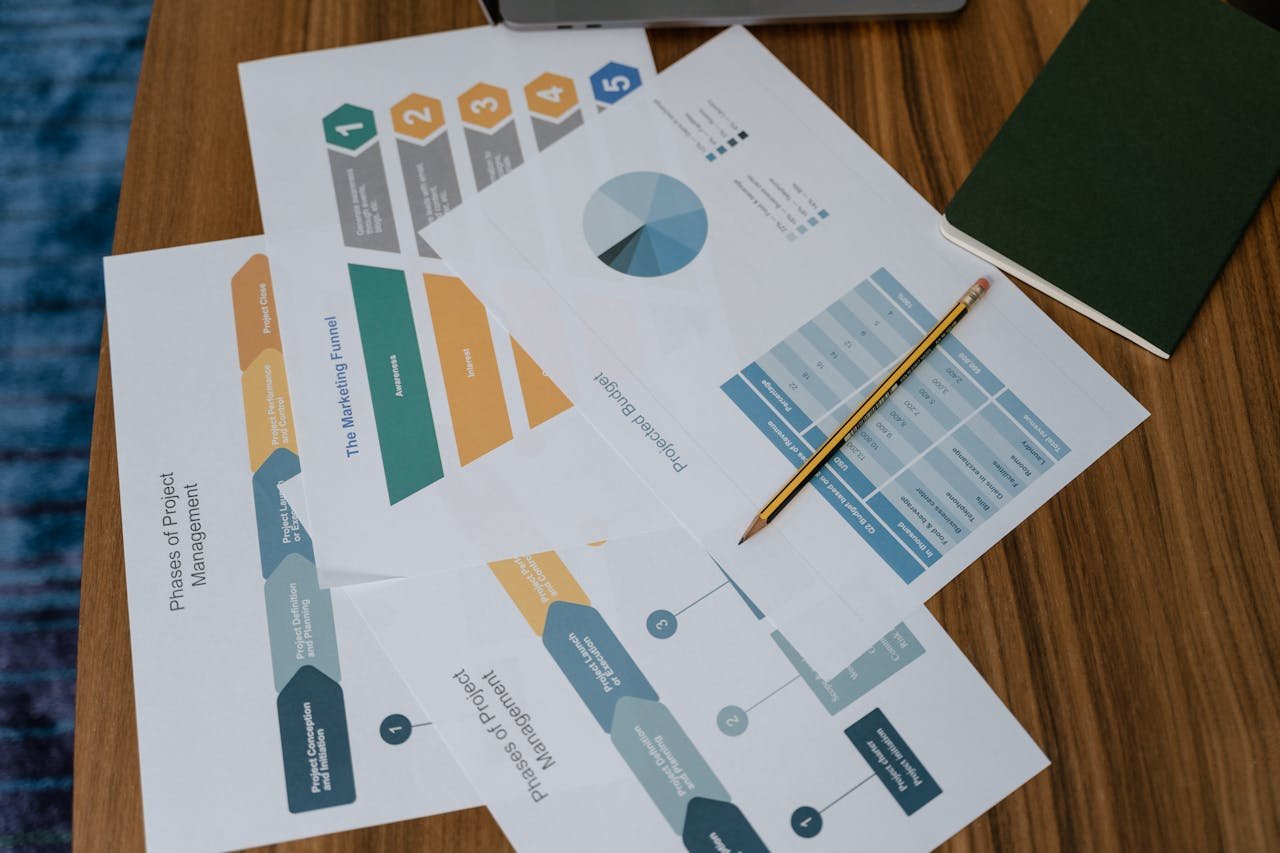
Creating a Powerful Marketing Funnel is essential for turning strangers into loyal customers. A well-structured funnel guides people through every stage of their journey—from discovering your brand to making a purchase.
In this guide, you’ll learn how to build a funnel that increases conversions and drives consistent growth.
What is a Marketing Funnel?
A marketing funnel is a step-by-step process that leads potential customers toward a specific action, such as buying a product or signing up for a service.
The main stages include:
- Awareness
- Interest
- Decision
- Action
Goal: Move users smoothly from one stage to the next.
Why You Need a Powerful Marketing Funnel
A Powerful Marketing Funnel helps you:
- Attract the right audience
- Build trust and relationships
- Increase conversions
- Automate your marketing process
- Improve customer experience
Key point: Without a funnel, you may lose potential customers along the way.
Step 1: Attract the Right Audience (Awareness Stage)
The first step is getting people to discover your business.
Effective methods include:
- Content marketing (blogs, videos)
- Social media marketing
- Search engine optimization (SEO)
- Paid advertising
Tip: Focus on providing value to attract the right audience.
Step 2: Capture Leads (Interest Stage)
Once people are aware of your brand, you need to capture their information.
Common strategies:
- Offer free resources (eBooks, checklists)
- Use landing pages
- Add email sign-up forms
Example: “Download your free guide to get started.”
Step 3: Nurture Your Leads (Consideration Stage)
Not everyone buys immediately. You need to build trust over time.
Ways to nurture leads:
- Send email sequences
- Share helpful content
- Provide case studies and testimonials
Goal: Show your value and address customer concerns.
Step 4: Convert Leads into Customers (Decision Stage)
This is where your Powerful Marketing Funnel drives conversions.
Use:
- Strong calls-to-action (CTAs)
- Limited-time offers
- Discounts or bonuses
- Clear product benefits
Tip: Make the buying process simple and smooth.
Step 5: Retain and Upsell Customers (Action & Loyalty Stage)
Your funnel doesn’t end after the first sale.
Focus on:
- Customer satisfaction
- Follow-up emails
- Upselling and cross-selling
- Loyalty programs
Result: Repeat customers and increased lifetime value.
Key Elements of a Powerful Marketing Funnel
To build an effective funnel, include:
- Clear messaging
- Strong value proposition
- High-quality content
- Optimized landing pages
- Effective CTAs
Insight: Every element should guide users toward taking action.
Tools to Build Your Funnel
You can use various tools to create and manage your funnel:
- Email marketing platforms
- Landing page builders
- Analytics tools
- Customer relationship management (CRM) systems
Tip: Choose tools that fit your business size and goals.
Common Mistakes to Avoid
- Targeting the wrong audience
- Complicated funnel structure
- Weak or unclear CTAs
- Ignoring follow-ups
- Not tracking performance
Avoiding these mistakes will improve your results.
Conclusion
A Powerful Marketing Funnel is the backbone of successful online marketing. By guiding your audience through each stage—from awareness to purchase—you can increase conversions and grow your business.